project-collaboration
Jan 6, 2026
Why I Built a Project Management Tool Without Chat, Message Boards, or Noise
Why I Built a Project Management Tool Without Chat, Message Boards, or Noise
Why I Built a Project Management Tool Without Chat, Message Boards, or Noise
Most project management tools add chat, message boards, and endless layers that create more distraction. Here’s why I built Complex.so to stay focused on tasks, documents, and calm work, with a simple calendar view when you need it.
Most project management tools add chat, message boards, and endless layers that create more distraction. Here’s why I built Complex.so to stay focused on tasks, documents, and calm work, with a simple calendar view when you need it.

By Bob Stolk
By Bob Stolk
By Bob Stolk
Founder at Complex.so
Founder at Complex.so
Founder at Complex.so
7 min read
7 min read
Complex.so is calm task management for real work
No separate docs. No noise. No unnecessary features.
Try it for free
Most project management tools start with a good intention.
Help teams stay organized. Keep work in one place. Make collaboration easier.
Then, slowly, they turn into something else.
A chat tool.
A social feed.
A message board.
A place where updates get posted, discussed, reacted to, and forgotten.
And if you have ever felt like your “productivity” tool is making you less productive, you are not imagining it. This question comes up a lot, and we explored it in more detail in do you really need a full project management tool.
I built Complex.so because I wanted the opposite.
A place where the work actually happens.
Not a place where work gets talked about endlessly.
Most teams already have chat. Adding more just creates noise
Almost every team already uses chat.
Slack. Teams. WhatsApp. iMessage. Something.
Those tools are good at quick questions and short conversations. They are not good at holding long-term context.
When chat is built into a project management tool, a few things happen:
Conversations replace decisions
Messages replace tasks
Updates turn into streams
Important information disappears after a few hours
Now you are not just managing work.
You are managing conversations about work.
So we made a very deliberate choice.
Complex.so does not have chat, message boards, or social feeds.
If you want to talk, talk in the tool you already use.
If you want to work, work where your tasks and documents live.
Focus suffers when everything becomes a conversation
Chat is fast. That is also the problem.
Once real-time conversation becomes central to your project tool, it creates pressure to always be present. To always reply. To always keep up.
That pressure quietly kills focus.

Research on interruptions and task switching shows that even small distractions can significantly reduce deep work and increase mental fatigue, something the American Psychological Association has written about in detail.
The American Psychological Association has written about how switching between tasks comes with a real cognitive cost.
So instead of encouraging constant conversation, Complex.so encourages something simpler.
Write things down.
Make decisions visible.
Move on.
This idea of protecting focus and reducing shallow work is also explored in depth by Cal Newport in his work on deep work.
Calendars are useful. They just should not run the tool
This part matters, so let me be precise.
Complex.so does have a calendar view.
But it is a view, not the foundation.
We added a calendar because sometimes it helps to see tasks laid out over time. Especially for planning weeks, spotting conflicts, or understanding what is coming up.
What we did not do is turn the tool into a scheduling system.
There are no meetings to manage.
No event juggling.
No time-blocking theater.
Most project work is not a meeting at 3pm.
It is writing, fixing, reviewing, thinking, and shipping.
Tasks are still the core.
The calendar simply helps you see them differently when you need to.
Noise is not just notifications. It is decisions you should not have to make
When people talk about noisy tools, they often mean notifications.
But noise is also:
Too many views
Too many structures
Too many ways to organize the same thing
Too many rules you feel guilty for not following
A lot of project tools are built for large organizations. That is fine.
But enterprise project management tools often fail small teams, as we explain in more detail here: why enterprise project management fails small teams.
They work alone.
Or in small teams.
Or across a few projects at the same time.
They do not need systems.
They need clarity.
Tasks and documents belong together
One of the biggest reasons we stripped things back is because we wanted to get one thing right.
Tasks and documents should not live in separate worlds.
In real work, tasks are not just checkboxes. We wrote a full piece on what a good task actually looks like and why tasks need context to work well.
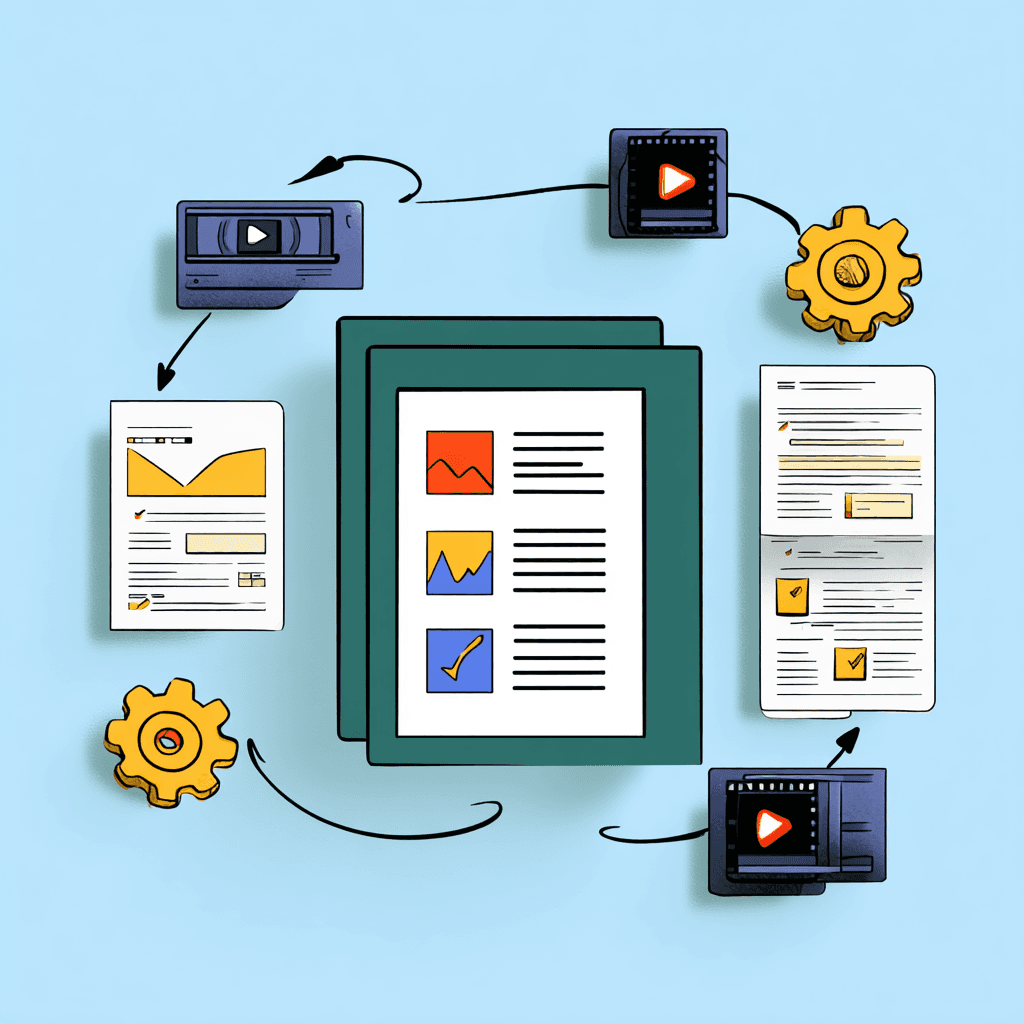
A task often needs:
context
notes
links
a short brief
a decision
maybe a draft
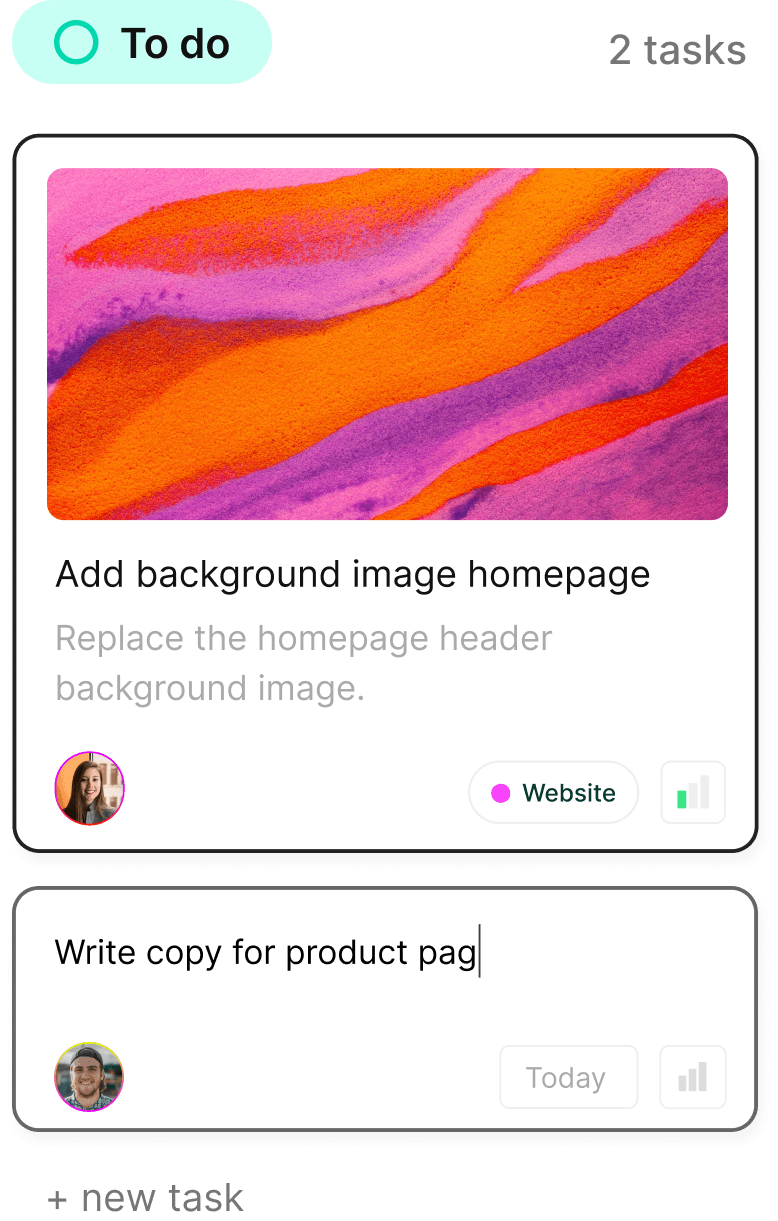
So in Complex.so, a task opens into a document-like space.
You click a task, and you can write inside it. Think inside it. Keep everything that matters next to the action.
No jumping between tools.
No lost context.
Small teams do not need more places to check
This is where chat and message boards often cause harm.
Every new surface becomes another place you are expected to look.
Another feed.
Another inbox.
Another notification dot.
This is why many teams eventually start looking for a calmer alternative to Basecamp and similar tools that rely heavily on message boards.
For small teams, the best setup is often boring but effective:
Chat stays in Slack or Teams for quick things
Tasks and decisions live in one calm place
Updates happen asynchronously
Fewer tools get opened every day
The goal is not more communication.
The goal is better communication, at the right time.
Who Complex.so is built for
Complex.so is built for people who want:
A calm tool they actually open
Tasks that hold real context
A clear overview of what matters today
Projects without setup pain
A tool that works equally well solo or with a small team
It is probably not for you if:
You want a social workspace
You rely heavily on real-time discussions inside your project tool
You need enterprise reporting and complex workflows
That is okay. Different tools serve different jobs.
A quieter tool is not a weaker tool
This is the part I care about most.
A tool that tries to do everything often ends up being used inconsistently.
A tool that does fewer things, really well, becomes part of your routine.
That is why I built Complex.so without chat, message boards, or noise.
Not because those things are bad.
But because most people already have them.
And they do not need more places pulling their attention.
If your current tool feels heavy, it might not be because you are using it wrong.
It might just be doing too much.
Most project management tools start with a good intention.
Help teams stay organized. Keep work in one place. Make collaboration easier.
Then, slowly, they turn into something else.
A chat tool.
A social feed.
A message board.
A place where updates get posted, discussed, reacted to, and forgotten.
And if you have ever felt like your “productivity” tool is making you less productive, you are not imagining it. This question comes up a lot, and we explored it in more detail in do you really need a full project management tool.
I built Complex.so because I wanted the opposite.
A place where the work actually happens.
Not a place where work gets talked about endlessly.
Most teams already have chat. Adding more just creates noise
Almost every team already uses chat.
Slack. Teams. WhatsApp. iMessage. Something.
Those tools are good at quick questions and short conversations. They are not good at holding long-term context.
When chat is built into a project management tool, a few things happen:
Conversations replace decisions
Messages replace tasks
Updates turn into streams
Important information disappears after a few hours
Now you are not just managing work.
You are managing conversations about work.
So we made a very deliberate choice.
Complex.so does not have chat, message boards, or social feeds.
If you want to talk, talk in the tool you already use.
If you want to work, work where your tasks and documents live.
Focus suffers when everything becomes a conversation
Chat is fast. That is also the problem.
Once real-time conversation becomes central to your project tool, it creates pressure to always be present. To always reply. To always keep up.
That pressure quietly kills focus.
Research on interruptions and task switching shows that even small distractions can significantly reduce deep work and increase mental fatigue, something the American Psychological Association has written about in detail.
The American Psychological Association has written about how switching between tasks comes with a real cognitive cost.
So instead of encouraging constant conversation, Complex.so encourages something simpler.
Write things down.
Make decisions visible.
Move on.
This idea of protecting focus and reducing shallow work is also explored in depth by Cal Newport in his work on deep work.
Calendars are useful. They just should not run the tool
This part matters, so let me be precise.
Complex.so does have a calendar view.
But it is a view, not the foundation.
We added a calendar because sometimes it helps to see tasks laid out over time. Especially for planning weeks, spotting conflicts, or understanding what is coming up.
What we did not do is turn the tool into a scheduling system.
There are no meetings to manage.
No event juggling.
No time-blocking theater.
Most project work is not a meeting at 3pm.
It is writing, fixing, reviewing, thinking, and shipping.
Tasks are still the core.
The calendar simply helps you see them differently when you need to.
Noise is not just notifications. It is decisions you should not have to make
When people talk about noisy tools, they often mean notifications.
But noise is also:
Too many views
Too many structures
Too many ways to organize the same thing
Too many rules you feel guilty for not following
A lot of project tools are built for large organizations. That is fine.
But enterprise project management tools often fail small teams, as we explain in more detail here: why enterprise project management fails small teams.
They work alone.
Or in small teams.
Or across a few projects at the same time.
They do not need systems.
They need clarity.
Tasks and documents belong together
One of the biggest reasons we stripped things back is because we wanted to get one thing right.
Tasks and documents should not live in separate worlds.
In real work, tasks are not just checkboxes. We wrote a full piece on what a good task actually looks like and why tasks need context to work well.
A task often needs:
context
notes
links
a short brief
a decision
maybe a draft
So in Complex.so, a task opens into a document-like space.
You click a task, and you can write inside it. Think inside it. Keep everything that matters next to the action.
No jumping between tools.
No lost context.
Small teams do not need more places to check
This is where chat and message boards often cause harm.
Every new surface becomes another place you are expected to look.
Another feed.
Another inbox.
Another notification dot.
This is why many teams eventually start looking for a calmer alternative to Basecamp and similar tools that rely heavily on message boards.
For small teams, the best setup is often boring but effective:
Chat stays in Slack or Teams for quick things
Tasks and decisions live in one calm place
Updates happen asynchronously
Fewer tools get opened every day
The goal is not more communication.
The goal is better communication, at the right time.
Who Complex.so is built for
Complex.so is built for people who want:
A calm tool they actually open
Tasks that hold real context
A clear overview of what matters today
Projects without setup pain
A tool that works equally well solo or with a small team
It is probably not for you if:
You want a social workspace
You rely heavily on real-time discussions inside your project tool
You need enterprise reporting and complex workflows
That is okay. Different tools serve different jobs.
A quieter tool is not a weaker tool
This is the part I care about most.
A tool that tries to do everything often ends up being used inconsistently.
A tool that does fewer things, really well, becomes part of your routine.
That is why I built Complex.so without chat, message boards, or noise.
Not because those things are bad.
But because most people already have them.
And they do not need more places pulling their attention.
If your current tool feels heavy, it might not be because you are using it wrong.
It might just be doing too much.
Most project management tools start with a good intention.
Help teams stay organized. Keep work in one place. Make collaboration easier.
Then, slowly, they turn into something else.
A chat tool.
A social feed.
A message board.
A place where updates get posted, discussed, reacted to, and forgotten.
And if you have ever felt like your “productivity” tool is making you less productive, you are not imagining it. This question comes up a lot, and we explored it in more detail in do you really need a full project management tool.
I built Complex.so because I wanted the opposite.
A place where the work actually happens.
Not a place where work gets talked about endlessly.
Most teams already have chat. Adding more just creates noise
Almost every team already uses chat.
Slack. Teams. WhatsApp. iMessage. Something.
Those tools are good at quick questions and short conversations. They are not good at holding long-term context.
When chat is built into a project management tool, a few things happen:
Conversations replace decisions
Messages replace tasks
Updates turn into streams
Important information disappears after a few hours
Now you are not just managing work.
You are managing conversations about work.
So we made a very deliberate choice.
Complex.so does not have chat, message boards, or social feeds.
If you want to talk, talk in the tool you already use.
If you want to work, work where your tasks and documents live.
Focus suffers when everything becomes a conversation
Chat is fast. That is also the problem.
Once real-time conversation becomes central to your project tool, it creates pressure to always be present. To always reply. To always keep up.
That pressure quietly kills focus.
Research on interruptions and task switching shows that even small distractions can significantly reduce deep work and increase mental fatigue, something the American Psychological Association has written about in detail.
The American Psychological Association has written about how switching between tasks comes with a real cognitive cost.
So instead of encouraging constant conversation, Complex.so encourages something simpler.
Write things down.
Make decisions visible.
Move on.
This idea of protecting focus and reducing shallow work is also explored in depth by Cal Newport in his work on deep work.
Calendars are useful. They just should not run the tool
This part matters, so let me be precise.
Complex.so does have a calendar view.
But it is a view, not the foundation.
We added a calendar because sometimes it helps to see tasks laid out over time. Especially for planning weeks, spotting conflicts, or understanding what is coming up.
What we did not do is turn the tool into a scheduling system.
There are no meetings to manage.
No event juggling.
No time-blocking theater.
Most project work is not a meeting at 3pm.
It is writing, fixing, reviewing, thinking, and shipping.
Tasks are still the core.
The calendar simply helps you see them differently when you need to.
Noise is not just notifications. It is decisions you should not have to make
When people talk about noisy tools, they often mean notifications.
But noise is also:
Too many views
Too many structures
Too many ways to organize the same thing
Too many rules you feel guilty for not following
A lot of project tools are built for large organizations. That is fine.
But enterprise project management tools often fail small teams, as we explain in more detail here: why enterprise project management fails small teams.
They work alone.
Or in small teams.
Or across a few projects at the same time.
They do not need systems.
They need clarity.
Tasks and documents belong together
One of the biggest reasons we stripped things back is because we wanted to get one thing right.
Tasks and documents should not live in separate worlds.
In real work, tasks are not just checkboxes. We wrote a full piece on what a good task actually looks like and why tasks need context to work well.
A task often needs:
context
notes
links
a short brief
a decision
maybe a draft
So in Complex.so, a task opens into a document-like space.
You click a task, and you can write inside it. Think inside it. Keep everything that matters next to the action.
No jumping between tools.
No lost context.
Small teams do not need more places to check
This is where chat and message boards often cause harm.
Every new surface becomes another place you are expected to look.
Another feed.
Another inbox.
Another notification dot.
This is why many teams eventually start looking for a calmer alternative to Basecamp and similar tools that rely heavily on message boards.
For small teams, the best setup is often boring but effective:
Chat stays in Slack or Teams for quick things
Tasks and decisions live in one calm place
Updates happen asynchronously
Fewer tools get opened every day
The goal is not more communication.
The goal is better communication, at the right time.
Who Complex.so is built for
Complex.so is built for people who want:
A calm tool they actually open
Tasks that hold real context
A clear overview of what matters today
Projects without setup pain
A tool that works equally well solo or with a small team
It is probably not for you if:
You want a social workspace
You rely heavily on real-time discussions inside your project tool
You need enterprise reporting and complex workflows
That is okay. Different tools serve different jobs.
A quieter tool is not a weaker tool
This is the part I care about most.
A tool that tries to do everything often ends up being used inconsistently.
A tool that does fewer things, really well, becomes part of your routine.
That is why I built Complex.so without chat, message boards, or noise.
Not because those things are bad.
But because most people already have them.
And they do not need more places pulling their attention.
If your current tool feels heavy, it might not be because you are using it wrong.
It might just be doing too much.
Complex.so is project management, beautifully simplified for small teams
More in
More in
More in
project-collaboration
project-collaboration
project-collaboration

project-collaboration
Jan 20, 2026
The Calm Alternative to Project Management Tools That Try to Do Everything
Project management tools with every feature often overwhelm users and hide the actual work. This article explains why a calmer alternative that keeps work at the center can help you focus, reduce friction, and get more done.
project-collaboration
Jan 20, 2026
The Calm Alternative to Project Management Tools That Try to Do Everything
Project management tools with every feature often overwhelm users and hide the actual work. This article explains why a calmer alternative that keeps work at the center can help you focus, reduce friction, and get more done.
project-collaboration
Jan 20, 2026
The Calm Alternative to Project Management Tools That Try to Do Everything
Project management tools with every feature often overwhelm users and hide the actual work. This article explains why a calmer alternative that keeps work at the center can help you focus, reduce friction, and get more done.
project-collaboration
Dec 24, 2025
Do You Really Need a Full Project Management Tool? (Probably Not)
Most teams don’t fail because they lack features. They fail because their tools are too heavy to use every day. In this article, we look at why simpler task and document tools often work better than full project management suites.
project-collaboration
Dec 24, 2025
Do You Really Need a Full Project Management Tool? (Probably Not)
Most teams don’t fail because they lack features. They fail because their tools are too heavy to use every day. In this article, we look at why simpler task and document tools often work better than full project management suites.
project-collaboration
Dec 24, 2025
Do You Really Need a Full Project Management Tool? (Probably Not)
Most teams don’t fail because they lack features. They fail because their tools are too heavy to use every day. In this article, we look at why simpler task and document tools often work better than full project management suites.
Boost your productivity today—tackle your to-dos like a pro!
Boost your productivity today—tackle your to-dos like a pro!
Boost your productivity today—tackle your to-dos like a pro!
Turn chaos into clarity. Complex.so is here to help you organize your projects, one task at a time.
Turn chaos into clarity. Complex.so is here to help you organize your projects, one task at a time.